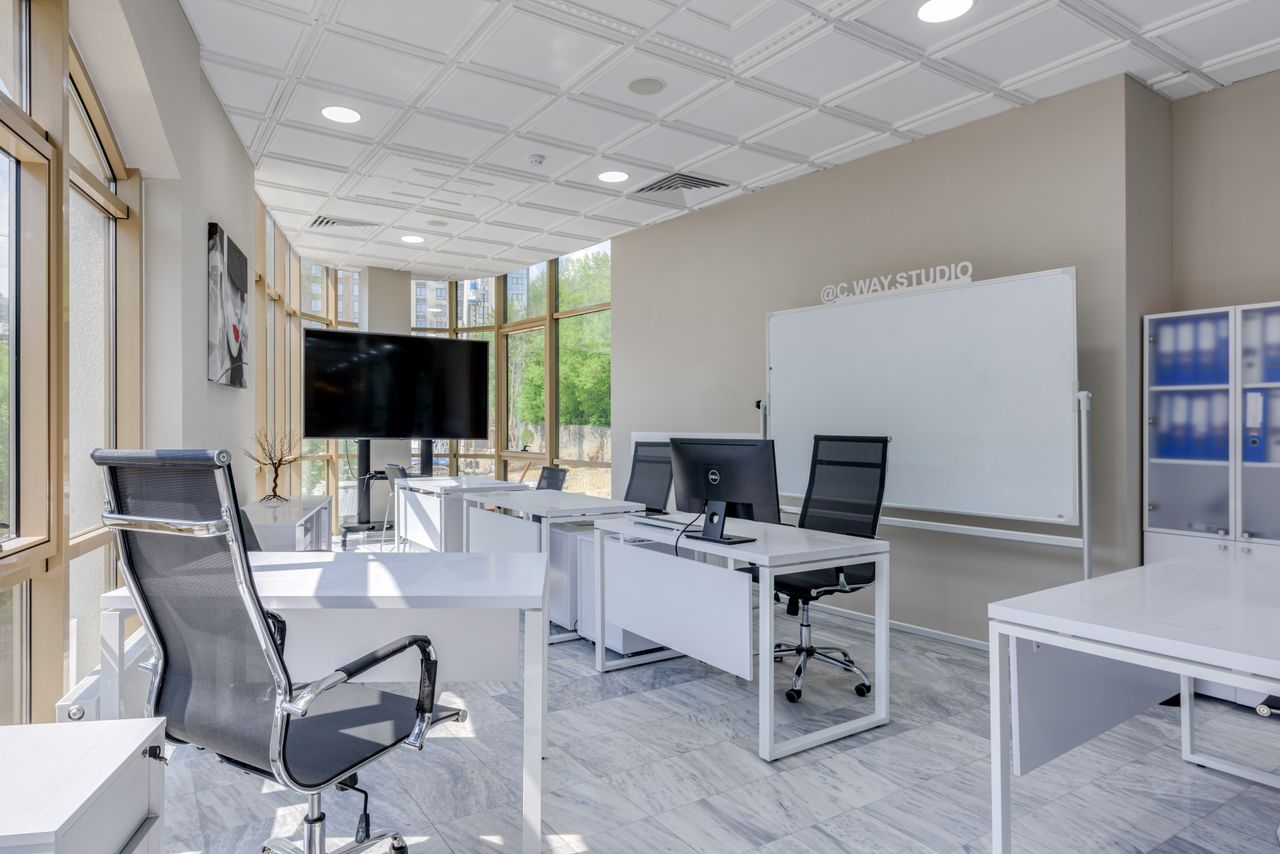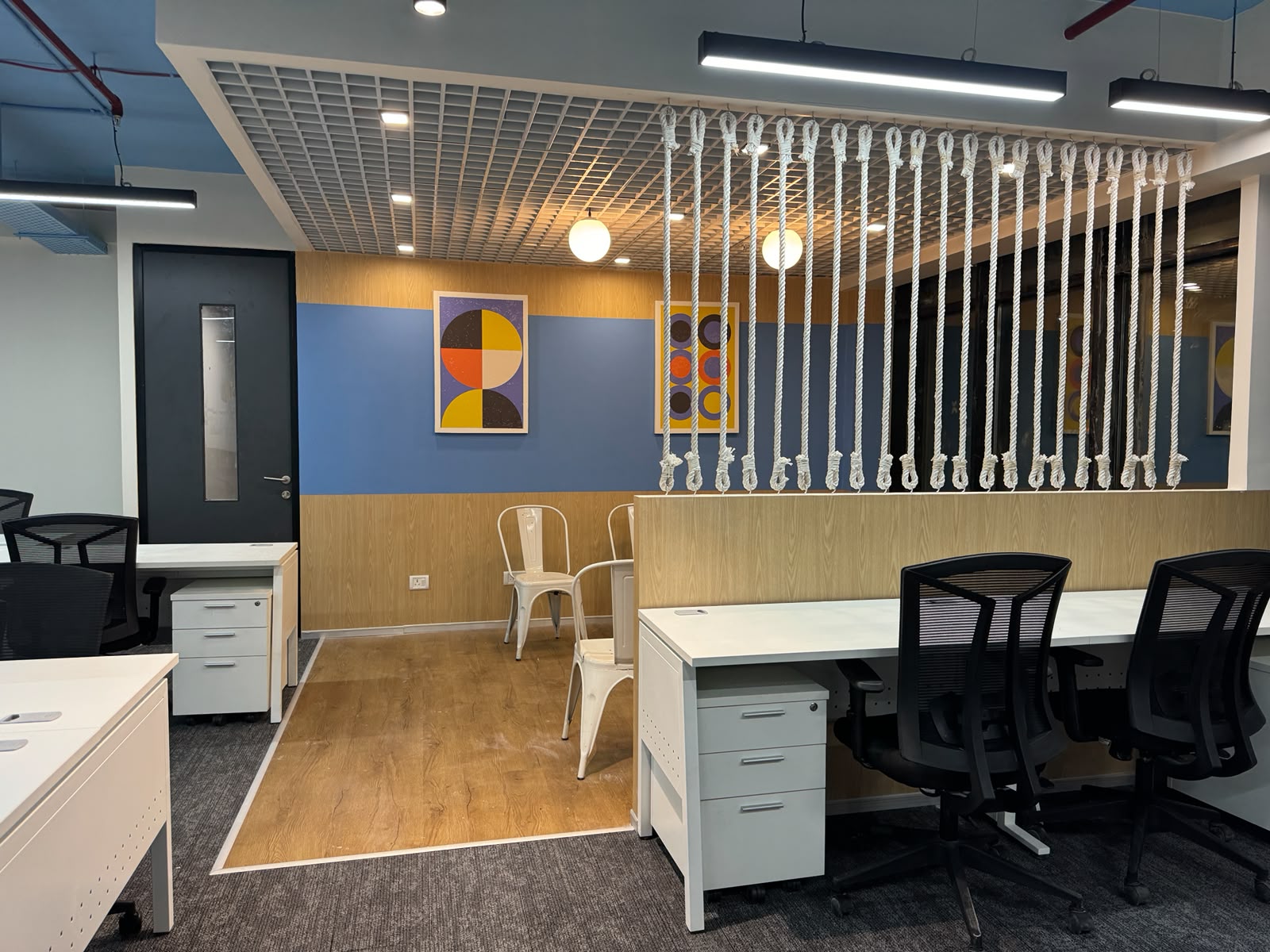


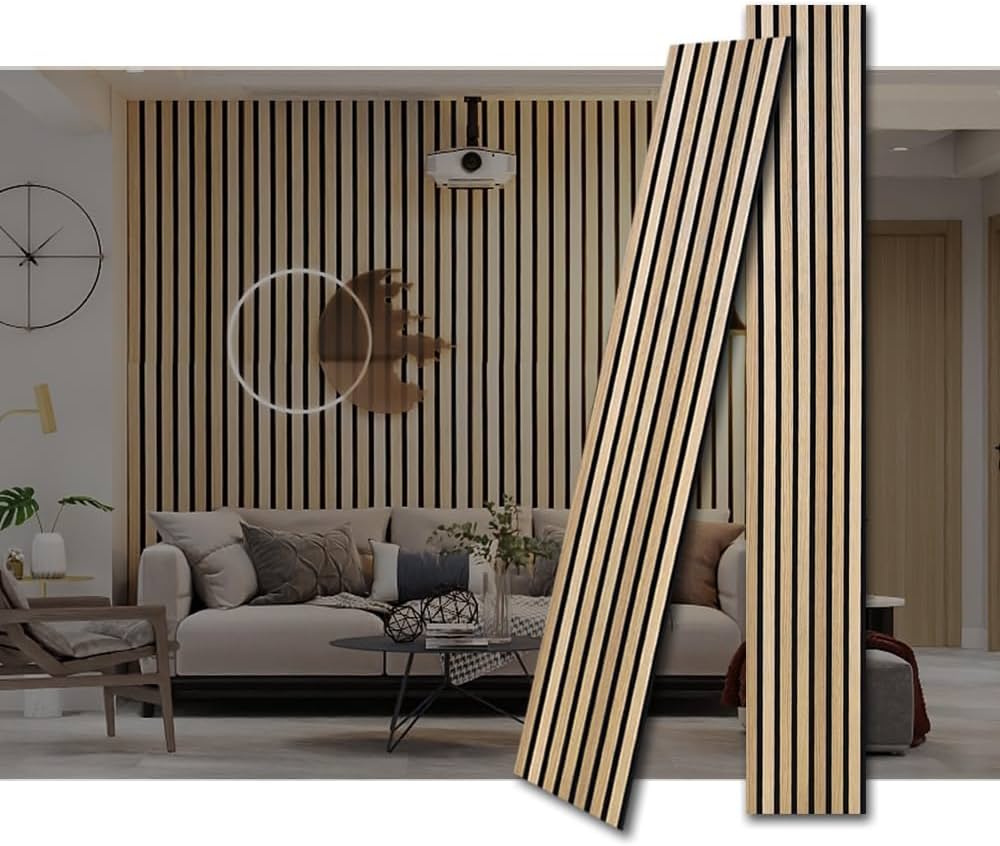
In contemporary enterprise workplaces across Delhi NCR—spanning DLF Cyber City, Golf Course Road, Aerocity, and Noida Expressway—the transition toward open-plan collaboration, polished concrete floors, and expansive glass curtain walls has introduced a severe workplace crisis: chronic acoustic distraction and reverberation build-up. When hard, reflective surfaces dominate an office, ambient sound waves bounce unchecked, creating an echo-chamber effect that destroys employee concentration and exposes confidential conversations.
Acoustic failure directly impacts the corporate bottom line. High ambient noise levels reduce cognitive focus by up to 66%, increase cognitive fatigue, and compromise executive discretion. Yet, many facility heads mistake aesthetic interior decoration for acoustic engineering—sticking thin foam pads or standard gypsum ceilings on walls without calculating Reverberation Time (RT60), Noise Reduction Coefficients (NRC), or Sound Transmission Class (STC) thresholds. True acoustic balance requires a calculated harmony between sound absorption (preventing echoes) and sound attenuation (preventing room-to-room sound transmission).
As premier commercial acoustic ceiling and soundproofing contractors in Delhi NCR, BR Creative delivers scientific acoustic engineering. We design, manufacture, and install high-performance ceiling systems and structural sound barriers calibrated to international ISO 3382 and ASTM acoustic standards.
1. Acoustic Metrics Decoded: NRC vs. STC vs. RT60
Understanding the three foundational acoustic parameters ensures targeted commercial budgeting:
| Metric | What It Measures | Target Threshold | Engineering Solution |
| NRC (Noise Reduction Coefficient) | Percentage of sound energy absorbed by a surface rather than reflected back into the room (scale: 0.0 to 1.0). | NRC ≥ 0.75 – 0.90 in open bays and collaborative zones. | PET felt ceiling baffles, micro-perforated acoustic timber, fabric-wrapped fiberglass panels. |
| STC (Sound Transmission Class) | Decibel reduction of airborne sound passing through a wall, door, or ceiling barrier into an adjacent room. | STC ≥ 48 – 54 dB in boardrooms, CXO suites, and HR rooms. | Slab-to-slab drywall assemblies packed with 64 kg/m³ rockwool, asymmetric double acoustic glazing. |
| RT60 (Reverberation Time) | Time (in seconds) required for sound pressure to decay by 60 decibels after the sound source has ceased. | RT60 < 0.5 – 0.6 seconds for meeting rooms; < 0.7s for open bays. | Suspended acoustic clouds, acoustic spray plasters, high-density carpet tile cushion backings. |
2. Advanced Acoustic Ceiling & Wall Treatment Systems
Calibrating architectural acoustic systems across corporate floor plates:
- Suspended PET Felt Acoustic Baffles & Rafts: Manufactured from recycled polyethylene terephthalate (PET) fibers with zero formaldehyde binders. Suspended vertically or horizontally in open-plenum industrial ceilings, these baffles achieve an impressive NRC rating of 0.85 to 0.95, capturing speech frequencies (500 Hz to 2,000 Hz) before they bounce off concrete slabs.
- Micro-Perforated Wood & Veneer Acoustic Ceiling Panels: Engineered for executive boardrooms and senior partner chambers where aesthetic luxury cannot compromise acoustic absorption. Featuring microscopic laser perforations (0.5mm) backed by acoustic black fleece, these panels provide warm timber elegance while delivering an NRC of 0.75 to 0.85.
- Mineral Fiber High-CAC Acoustic Tiles: In private offices with suspended grid ceilings, standard tiles allow sound to flank through the ceiling into adjacent rooms. We install high-density mineral fiber tiles offering a Ceiling Attenuation Class (CAC) of 38+ dB combined with NRC ≥ 0.70.
- Seamless Acoustic Plaster Systems: A monolithic, spray-applied mineral wool plaster system that provides a flat, seamless architectural ceiling finish identical to smooth drywall while absorbing up to 85% of sound energy (NRC 0.85).
3. The Flanking Noise Hazard & Slab-to-Slab Soundproofing
- The False Ceiling Flanking Hazard: Terminating drywall partitions at the level of a suspended false ceiling leaves the overhead plenum completely unsealed. Vocal sound waves travel straight through ceiling tiles, bounce off the concrete slab, and enter adjacent cabins.
- The BR Creative Slab-to-Slab Protocol: Every partition bounding a boardroom, CXO suite, or legal consultation room is constructed slab-to-slab (up to the true concrete ceiling), packed with 64 kg/m³ rockwool, and sealed along all perimeter joints with elastomeric acoustic caulking.
- HVAC Duct Cross-Talk Attenuators: Shared air conditioning ducts act as acoustic conduits between rooms. We install in-line acoustic sound attenuators (duct silencers) and line supply/return plenums with closed-cell acoustic nitrile foam to eliminate vocal cross-talk.
4. Cost Benchmarking: Commercial Acoustic Solutions in Delhi NCR (2026)
Supply and installation cost ranges across Gurgaon, Delhi, and Noida corporate fit-outs:
| Acoustic System Type | Acoustic Rating (NRC / STC) | Estimated Cost Range (Supply + Install) |
| Suspended PET Acoustic Baffles | NRC 0.85 – 0.90 | ₹220 – ₹340 / sq. ft. of ceiling area |
| Mineral Fiber High-CAC Ceiling Tiles | NRC 0.70, CAC 38 dB | ₹140 – ₹195 / sq. ft. |
| Micro-Perforated Timber Ceiling Panels | NRC 0.80 – 0.85 | ₹450 – ₹680 / sq. ft. |
| Fabric-Wrapped Acoustic Wall Paneling | NRC 0.85 (50mm thickness) | ₹260 – ₹380 / sq. ft. of wall area |
| Slab-to-Slab Soundproof Drywall (Double Stud) | STC 50 – 54 dB | ₹280 – ₹420 / sq. ft. of partition area |
Why Enterprises Choose BR Creative for Commercial Soundproofing
- Acoustic Modeling & On-Site Decibel Auditing: We conduct pre-fit sound level mapping, RT60 decay simulations, and laser scanning to design custom acoustic treatments rather than applying generic estimates.
- In-House Factory Precision Prefabrication: High-end micro-perforated timber panels, bespoke acoustic baffles, and fabric panels are manufactured in our controlled factory facility, ensuring tight tolerances and clean on-site installation.
- Turnkey Single-Point Accountability: We integrate acoustic ceilings seamlessly with overhead MEP services— clash-free integration with HVAC ducting, fire sprinklers, and DALI lighting via 3D Combined Services Drawings (CSD).
- Fixed-Rate BOQ Cost Certainty: Comprehensive line-item BOQs with locked material brand makes and tested acoustic decibel certifications guarantee zero financial surprises.
5-Phase Acoustic Engineering Roadmap
- Acoustic Site Audit & RT60 Calculation: Measuring baseline ambient noise (dBA), evaluating ceiling slab heights, mapping HVAC noise levels, and setting targeted RT60 decay goals.
- 3D CSD & Overhead Plenum Coordination: Designing suspended baffle grids and acoustic clouds with clash-free clearances around HVAC ducts, sprinkler heads, and light troffers.
- Structural Soundproofing & Wall Isolation: Erecting slab-to-slab drywall studs, packing 64 kg/m³ rockwool, applying non-hardening perimeter caulking, and installing duct silencers.
- Ceiling & Wall Treatment Installation: Suspending PET acoustic baffles, mounting micro-perforated wood panels, and hanging fabric-wrapped wall absorption panels.
- Acoustic Validation Testing & Handover: Performing post-installation pink-noise RT60 decay testing and sound transmission decibel tests to verify compliance before key handover.
Frequently Asked Questions (FAQs)
Q1. Why are standard gypsum false ceilings ineffective for office soundproofing?
Standard painted gypsum board has a very low Noise Reduction Coefficient (NRC ~0.05), meaning it reflects 95% of sound waves back into the room, compounding echoes and reverberation. In addition, standard false ceilings do not block sound transmission between rooms unless backed by slab-to-slab drywall construction and high-density acoustic insulation.
Q2. What is the ideal Reverberation Time (RT60) for a corporate boardroom or conference suite?
For boardrooms and video-conference rooms, the ideal RT60 is between 0.4 to 0.6 seconds. If reverberation exceeds 0.7 seconds, conference microphones pick up room echoes, making voices sound hollow and unintelligible for remote participants on Zoom or Teams calls.
Q3. How do you soundproof meeting rooms without building permanent masonry brick walls?
We construct high-performance drywall partition assemblies featuring double-stud galvanized steel framing, double-layer 12.5mm acoustic plasterboards on each side, resilient acoustic decoupling isolation strips, and high-density 64 kg/m³ rockwool insulation. This achieves an STC rating of 50–54 dB—superior to a traditional 9-inch brick wall while weighing 80% less.
Q4. How long does an acoustic ceiling and soundproofing retrofit take for an active 5,000 to 10,000 sq. ft. office?
A turnkey acoustic retrofit typically takes 15 to 25 working days. By utilizing modular prefabricated PET baffles, precisionmanufactured acoustic panels, and executing dusty installation work during night shifts, we eliminate operational disruptions for your employees.
Q5. How can facility directors book an acoustic decibel audit with BR Creative in Delhi NCR?
Corporate leaders, CFOs, and facility directors can connect directly with BR Creative through their official website or corporate helpline to schedule an on-site acoustic decibel mapping survey, RT60 calculation, and receive an itemized turnkey proposal.
Conclusion
In high-performance enterprise workspaces, acoustic comfort is an essential driver of employee productivity, mental well-being, and corporate confidentiality. Partnering with seasoned commercial office acoustic ceiling and soundproofing contractors in Delhi NCR like BR Creative guarantees scientifically engineered sound control, premium architectural finishes, and rapid turnkey delivery strictly on time and within budget.