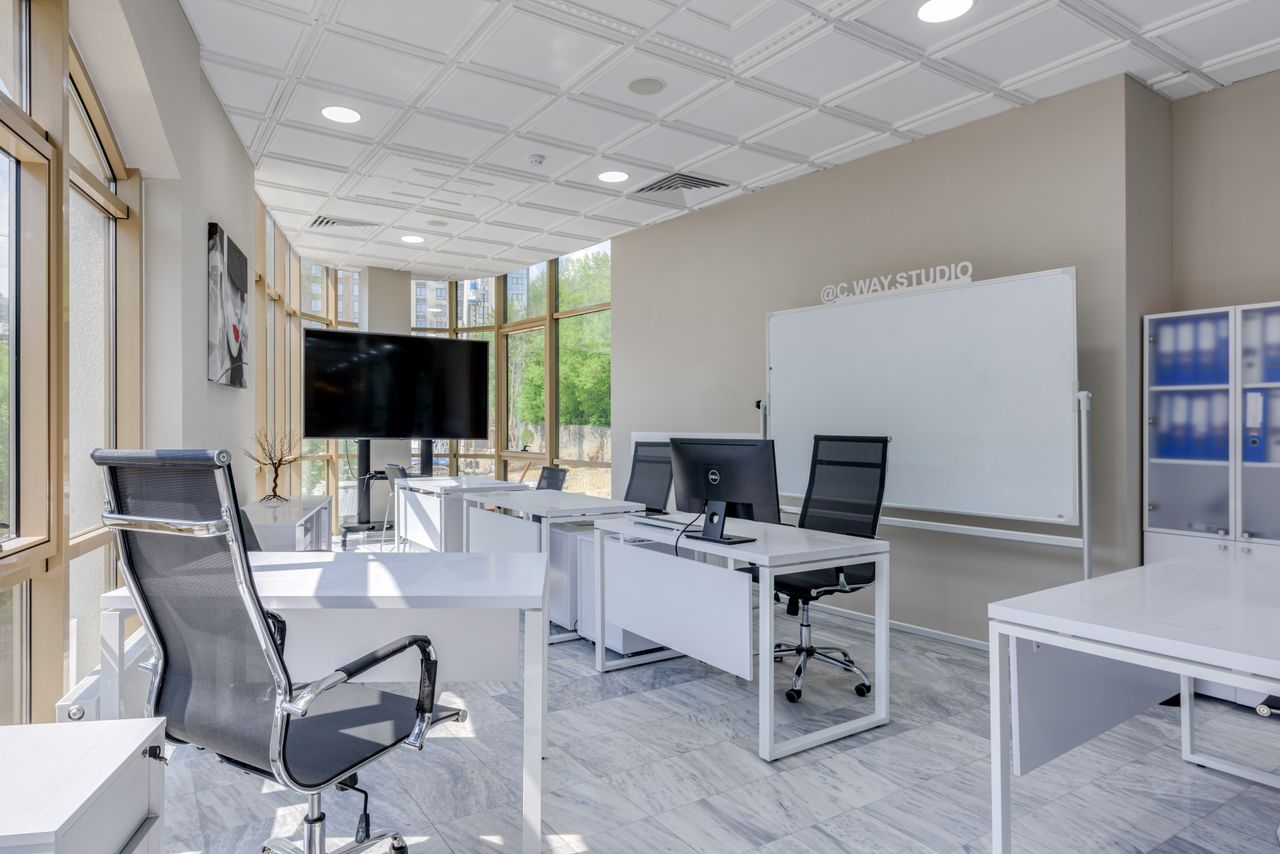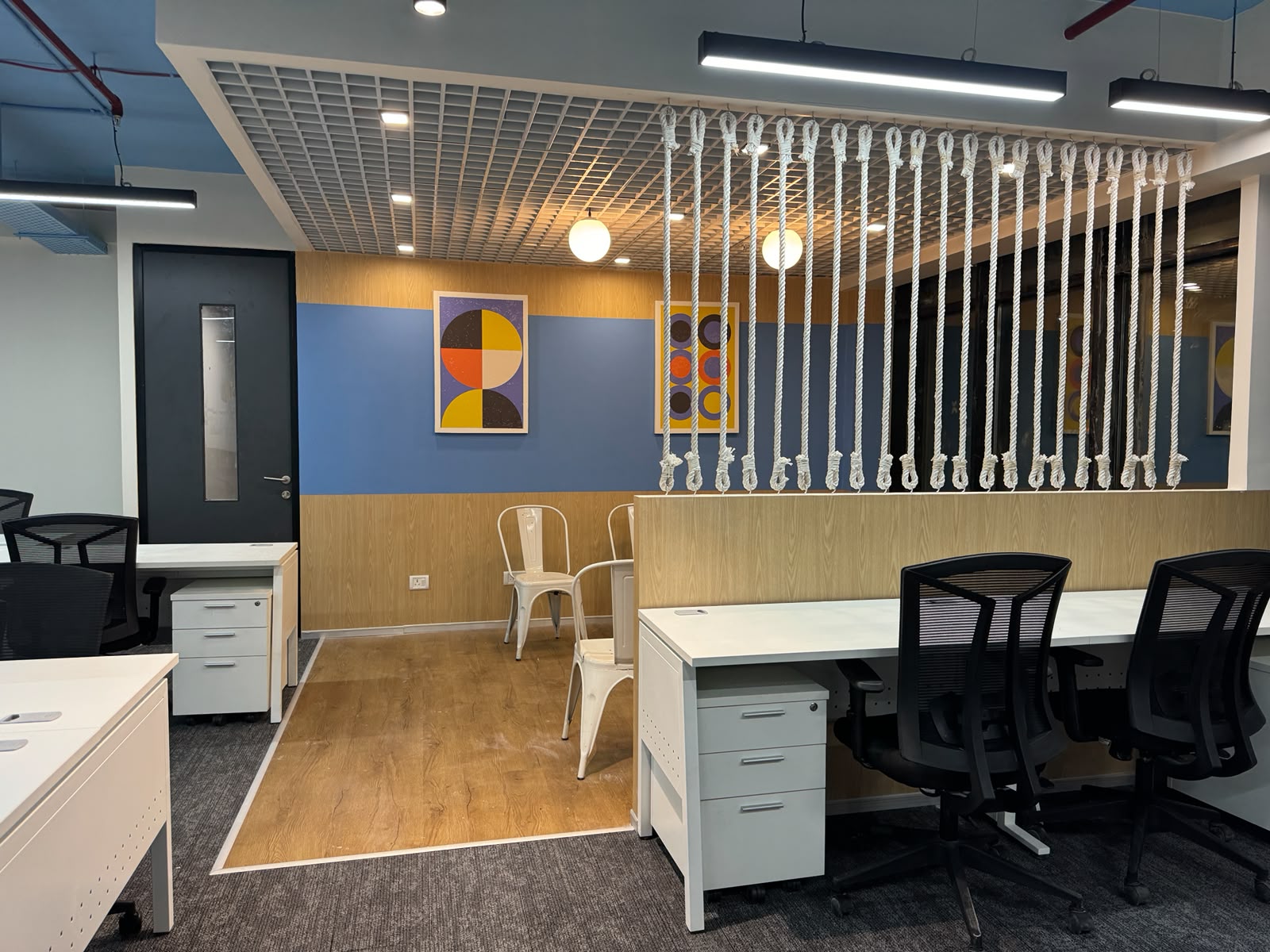


In modern corporate workplace architecture across Delhi NCR—spanning DLF Cyber City, Golf Course Road, Aerocity Worldmark, and the Noida Expressway—glass partitions are the undisputed standard for maximizing natural daylight, visual transparency, and executive prestige. However, the open, collaborative floor plan creates a critical challenge: speech privacy leakage and acoustic distraction.
When sensitive board meetings, confidential client discussions, or high-stakes financial negotiations can be overheard in adjacent corridors, enterprise security and executive focus are compromised. Installing generic single-pane glass partitions without acoustic dampening offers visual partitioning but zero acoustic isolation. Achieving true speech privacy requires engineered acoustic glazing systems calibrated to Sound Transmission Class (STC) ratings between 45 and 52 dB.
As a leading commercial interior contractor and acoustic glass partition specialist in Delhi NCR, BR Creative designs, manufactures, and installs high-performance architectural glazing systems tailored to Grade-A corporate towers, law chambers, fintech headquarters, and private boardrooms.
1. Acoustic Performance Spectrum: STC Decibel Ratings Decoded
Understanding Sound Transmission Class (STC) ratings allows facility directors and project heads to choose the right glass system for specific room functions:
| Acoustic Rating | System Architecture | Acoustic Experience | Recommended Commercial Zone |
| STC 32 – 35 dB | Single-glazed 10mm / 12mm clear toughened glass. | Normal conversational speech is clearly audible and intelligible outside the room. | General internal meeting booths, hot-desking dividers, open bay phone nooks. |
| STC 38 – 42 dB | Single-glazed 12.76mm acoustic laminated glass (PVB interlayer). | Loud speech can be heard faintly but remains mostly unintelligible; normal speech is muffled. | Departmental manager cabins, team collaboration rooms, huddle spaces. |
| STC 45 – 48 dB (Standard) | Double-glazed system (10mm toughened + 12mm toughened with 50mm air cavity). | Loud speech is reduced to an inaudible murmur; confidential privacy is secured. | Executive CXO cabins, finance conference rooms, HR appraisal rooms, legal suites. |
| STC 50 – 54 dB (High-Spec) | Double-glazed system with asymmetric acoustic laminated glass (12.76mm + 10.76mm) & inert gas cavity. | Total speech confidentiality; shouting or amplified presentations cannot be heard outside. | Global corporate boardrooms, video conference studios, arbitration chambers. |
2. Key Structural Components of High-Performance Acoustic Glazing
Acoustic performance is governed by the complete assembly rather than the glass pane alone:
- Acoustic PVB (Polyvinyl Butyral) Interlayers: Specialized acoustic PVB membranes sandwiched between glass sheets act as viscoelastic dampening layers that absorb sound vibrations and break resonance frequencies.
- Asymmetric Glass Configuration: Using identical glass thicknesses on both sides of a double-glazed system allows sound waves to resonate across at the same frequency. BR Creative pairs dissimilar thicknesses (e.g., 12mm + 10mm) to cancel resonance and maximize acoustic dampening.
- Extruded Slimline Aluminum Profiles with EPDM Gaskets: Heavy-gauge architectural-grade aluminum profiles (6063-T6 alloy) fitted with co-extruded EPDM rubber gaskets eliminate air leaks along ceiling and floor tracks.
- Automatic Drop-Down Door Bottom Seals: The perimeter of the door is the most common point of acoustic failure. Our systems integrate concealed mechanical drop-down seals that automatically drop to close the floor gap when the door shuts.
- Switchable Smart PDLC Privacy Glass: Polymer Dispersed Liquid Crystal (PDLC) technology embedded within the acoustic laminate allows glass to shift from transparent to opaque at the flick of a switch or via automated room sensors.
3. The Flanking Sound Transmission Problem: Why Good Glass Fails
Even the highest-rated STC 50 dB glass partition will fail if acoustic detailing overlooks structural flanking paths:
- The False Ceiling Flanking Trap: Terminating glass partitions at the level of a modular false ceiling allows sound waves to travel up through the ceiling tiles, travel across the open plenum, and drop into the corridor.
- The BR Creative Solution: We erect full slab-to-slab acoustic drywall baffles packed with 64 kg/m³ rockwool directly above the ceiling track, ensuring the sound barrier extends to the true concrete slab.
- Perimeter Caulking & Cavity Sealing: Applying non-hardening acoustic sealants behind profile base tracks and wall junctions prevents microscopic perimeter sound leakage.
4. Cost Benchmarking: Acoustic Glass Partitions in Delhi NCR (2026)
Typical fabrication and installation rates across Gurgaon, Delhi, and Noida commercial fit-outs:
| Glazing System Type | Estimated Rate Range | Key Specifications Included |
| Frameless Single Toughened (12mm) | ₹450 – ₹650 / sq. ft. | 12mm clear toughened glass, slimline U-channels, silicon jointing, patch fittings. |
| Acoustic Single Laminated (12.76mm) | ₹750 – ₹950 / sq. ft. | 6mm+0.76mm acoustic PVB+6mm glass, slim anodized profile, EPDM gaskets. |
| Double-Glazed Modular System (STC 45 dB) | ₹1,400 – ₹1,950 / sq. ft. | 45mm/50mm profile framework, 10mm + 12mm glass, double EPDM seals, flush glass door. |
| Switchable Smart PDLC Double Glazed | ₹2,800 – ₹3,800 / sq. ft. | Double acoustic system with integrated PDLC switchable film, remote and BMS control. |
Frequently Asked Questions (FAQs)
Q1. What is the difference between standard toughened glass and acoustic laminated glass?
Standard toughened glass provides structural impact safety but vibrates under sound pressure, transmitting noise easily. Acoustic laminated glass incorporates a specialized viscoelastic PVB interlayer between two glass layers that dampens sound wave vibrations, dramatically improving sound isolation.
Q2. Can acoustic glass partitions be relocated if the office layout changes?
Yes. BR Creative engineers modular, demountable aluminum partition profiles. Unlike wet civil walls, our demountable acoustic partition systems can be unbolted and reconfigured across different office zones with minimal disruption and zero structural damage to floor slabs.
Q3. How do you solve sound leakage around glass doors?
Acoustic glass doors require specialized hardware: acoustic rebated perimeter frames with continuous tubular EPDM gaskets, magnetic latch locks, and concealed automatic drop-down bottom door seals that deploy mechanically when the door latches closed.
Q4. How long does the fabrication and installation of acoustic glass partitions take?
For a standard 5,000 to 10,000 sq. ft. office requiring 1,500 to 3,000 sq. ft. of glazing, custom profile extrusion and glass processing takes 15 to 20 working days. Site installation is completed in 5 to 8 working days.
Q5. How can organizations book an acoustic site survey with BR Creative in Delhi NCR?
Corporate occupiers, CFOs, and facility directors can connect directly with BR Creative through their official website or corporate helpline to schedule an on-site decibel assessment, acoustic modeling review, and receive an itemized turnkey proposal.
Conclusion
Balancing modern open visual aesthetics with stringent executive speech confidentiality requires specialized acoustic engineering and precision craftsmanship. Partnering with proven acoustic glass partition manufacturers and contractors in Delhi NCR like BR Creative guarantees that your workspace achieves uncompromised acoustic comfort, Grade-A finishing, and rapid turnkey delivery.