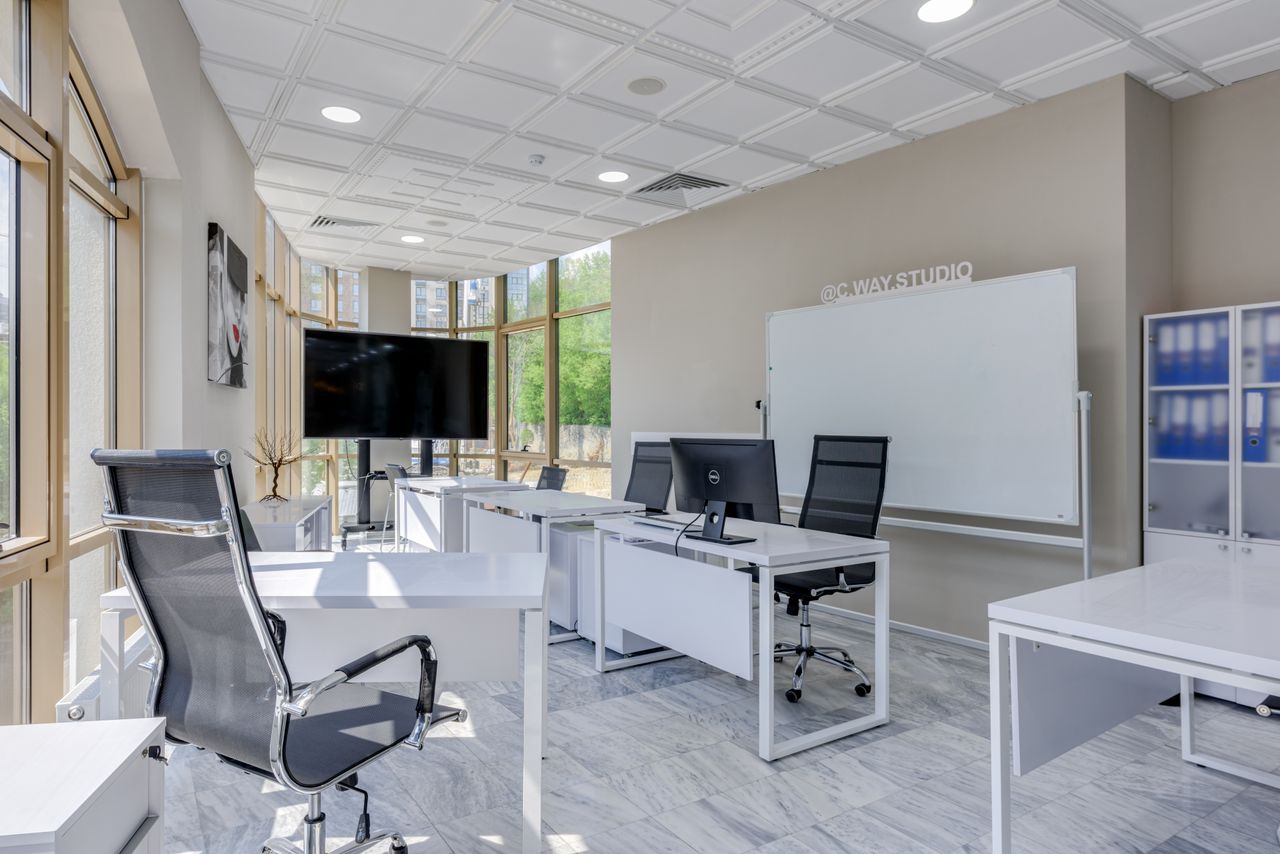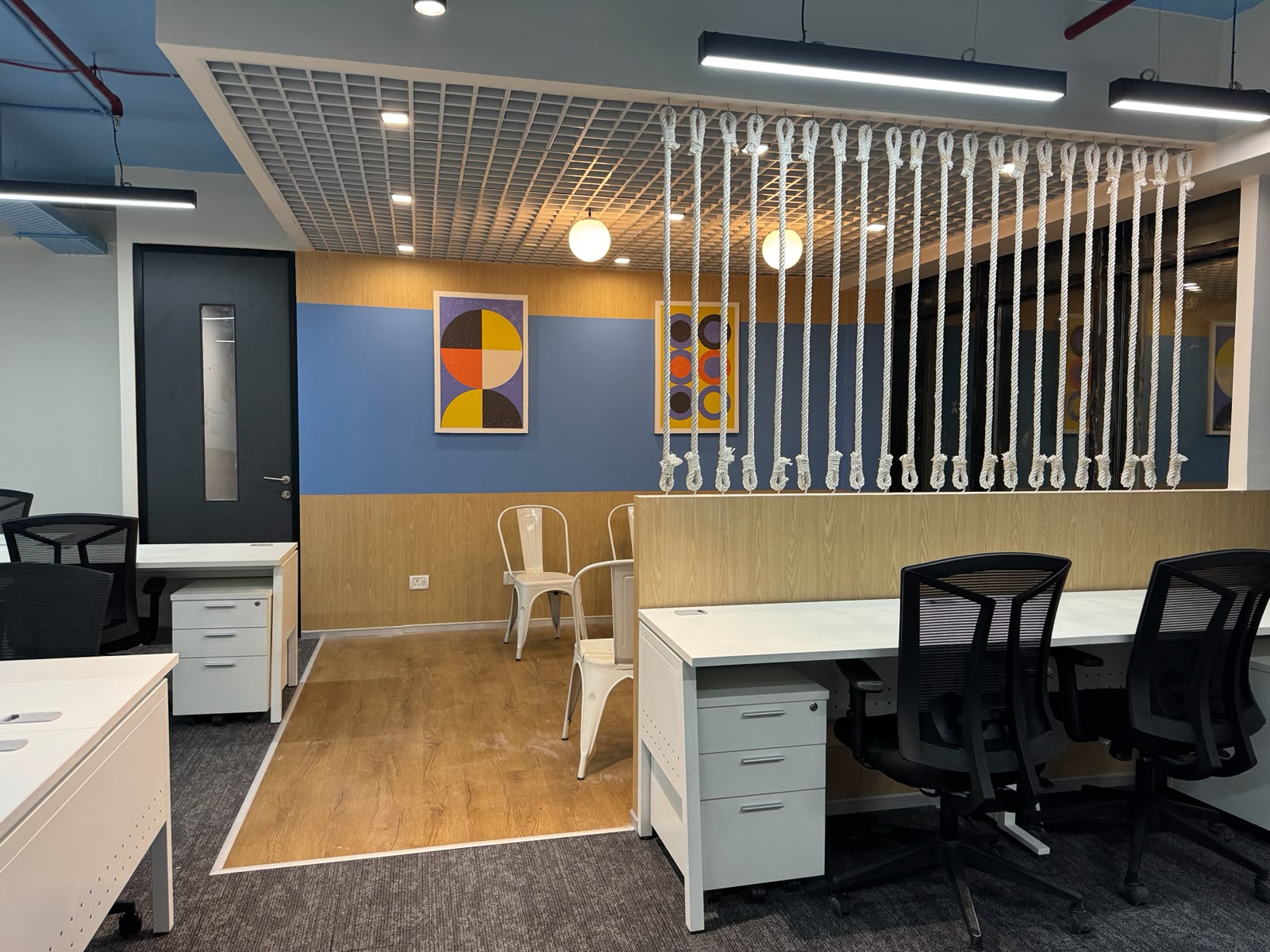


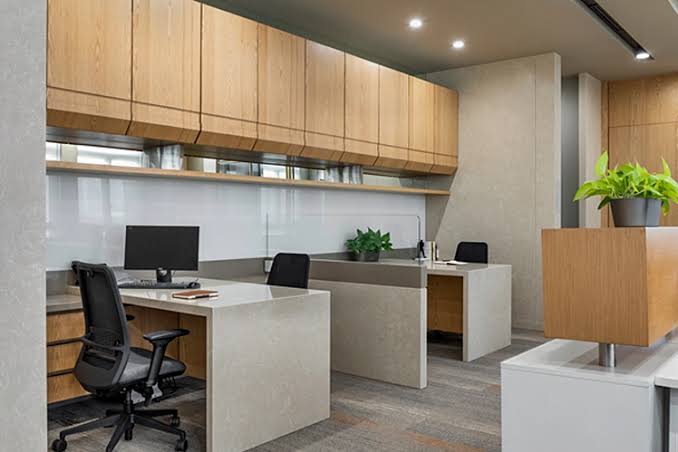
An office layout is more than furniture; it’s an engine for productivity. A suitable layout removes physical obstacles to focus and collaboration while simultaneously accommodating for ever-evolving priorities and teams that adapt as priorities change.
Material selection for commercial furniture purchases in Delhi NCR’s extreme climate variation is of critical importance; BIFMA Level 3 certification should be the minimum standard for any serious buyer.
Modularity
Modularity is ideal for businesses that anticipate future expansion, as it allows the team to move
components as their needs grow. Furthermore, modularity reduces the cost of an office fit-out in Delhi
NCR; depending on building grade and project complexity. Office Niti connects businesses to top
interior designers, architects, contractors and turnkey fit-out companies across New Delhi, Gurugram
(Cyber City & Golf Course Road), Noida and Faridabad using our free AI-powered estimator which
gives instantaneous project-specific pricing information.
Privacy
Cubicles provide the ideal balance between collaboration and privacy, saving both space and money by
eliminating private offices requiring more square footage. Furthermore, cubicle partitions don’t extend all
the way up to the ceiling and don’t feature doors, helping employees focus their work uninterrupted
without disruption from team discussions. This feature is especially advantageous in roles which require
collaboration or frequent discussions among team members.
As opposed to open office environments, cubicles offer greater privacy for employees while being
tailored specifically to each employee’s needs. This allows for improved productivity and morale as well
as using acoustic paneling to dampen noise in an open office setting and promote collaboration. ROSI
Office Systems not only offers private cubicles but also customizable office furniture solutions which
enable employees to personalize their workspace efficiently while working efficiently.
Though some may oppose the cubicle as an office layout, many businesses find them beneficial.
Employees have their own space where they can store personal belongings, personalize their
workspace, and focus on tasks without interruptions – these benefits make a workplace more effective
and productive while simultaneously cutting costs.
Another advantage of cubicles is that they provide an efficient space to organize documents and
materials. Filing cabinets, cord corrals, jars, shelving, labeling systems and labeling tags can all help
create an organized workspace to boost productivity while noiseproof panels may help muffle any
disturbances to concentration and focus.
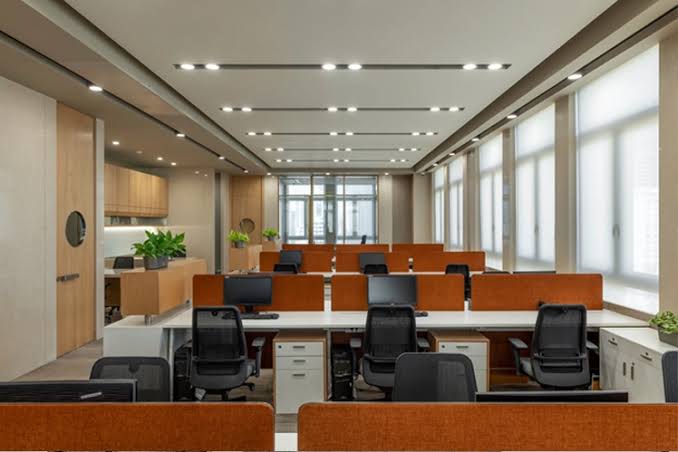
Private cubicles not only provide privacy, but can also reduce distractions and improve team
communication to boost productivity. They are an ideal option for roles requiring high levels of privacy
such as managers or those needing to communicate directly with clients or customers.
Cubicles have been used since the 1960s, and remain an iconic design feature of office designs today.
Some experts argue that cubicles may not be appropriate in modern workplaces as they restrict
collaboration and creativity. Although cubicles may serve their purposes under certain circumstances,
it’s wiser to find an agreement between employee needs and company goals to find an ideal balance.
Cost
The cost-versus-benefit debate surrounding cubicles vs. open offices tends to center on cost
considerations; however, choosing the appropriate layout is much more than an aesthetic decision; it’s
an engine of productivity. By eliminating distractions and providing daily comfort improvements, good
cubicle systems deliver direct improvements in employee performance. Your choice will ultimately
depend on materials used, panel height requirements and any custom elements or built-in tech you
include into the system you select.
An easy, low-panel setup may come at a lower price tag compared to one outfitted with glass panels
and integrated power. However, ultimately the ideal setup should fit with your company’s workflow,
culture and space restrictions.
Modern modular systems offer a flexible work environment that strikes an optimal balance between
privacy and collaboration, making it the ideal solution for startups or businesses preparing to experience
rapid expansion, or trying out hybrid work models. Plus, reconfiguring workspaces as needs evolve
becomes easy – whether adding more seats for new hires quickly, or regrouping tables quickly during
team brainstorming sessions, an open plan may quickly adjust itself accordingly.
On the other hand, cubicle floorplans can offer more privacy, making them suitable for teams that need
to focus solely on task-oriented work. Furthermore, partitions provide a more focused and productive
setting while still enabling employees to collaborate easily with coworkers; additionally they’re useful
when handling sensitive information (like finance, legal or HR roles) or when handling frequent phone
calls/sensitive discussions/new hires who require time to build work relationships slowly and steadily.
An inherent drawback of cubicles is their inability to encourage spontaneous collaboration, limit natural
light and views, create more structure than open offices and sometimes feel isolated compared to them.
These drawbacks can be reduced by selecting an ideal cubicle design and paying careful attention to
details like acoustics and ergonomics when choosing it for your company.